Field Research Methodologies for Documenting Coastal Marine Encounters
Coastal waters represent some of the most dynamic, volatile, and biologically productive ecosystems on Earth. Encounters with marine fauna in…
Coastal waters represent some of the most dynamic, volatile, and biologically productive ecosystems on Earth. Encounters with marine fauna in…
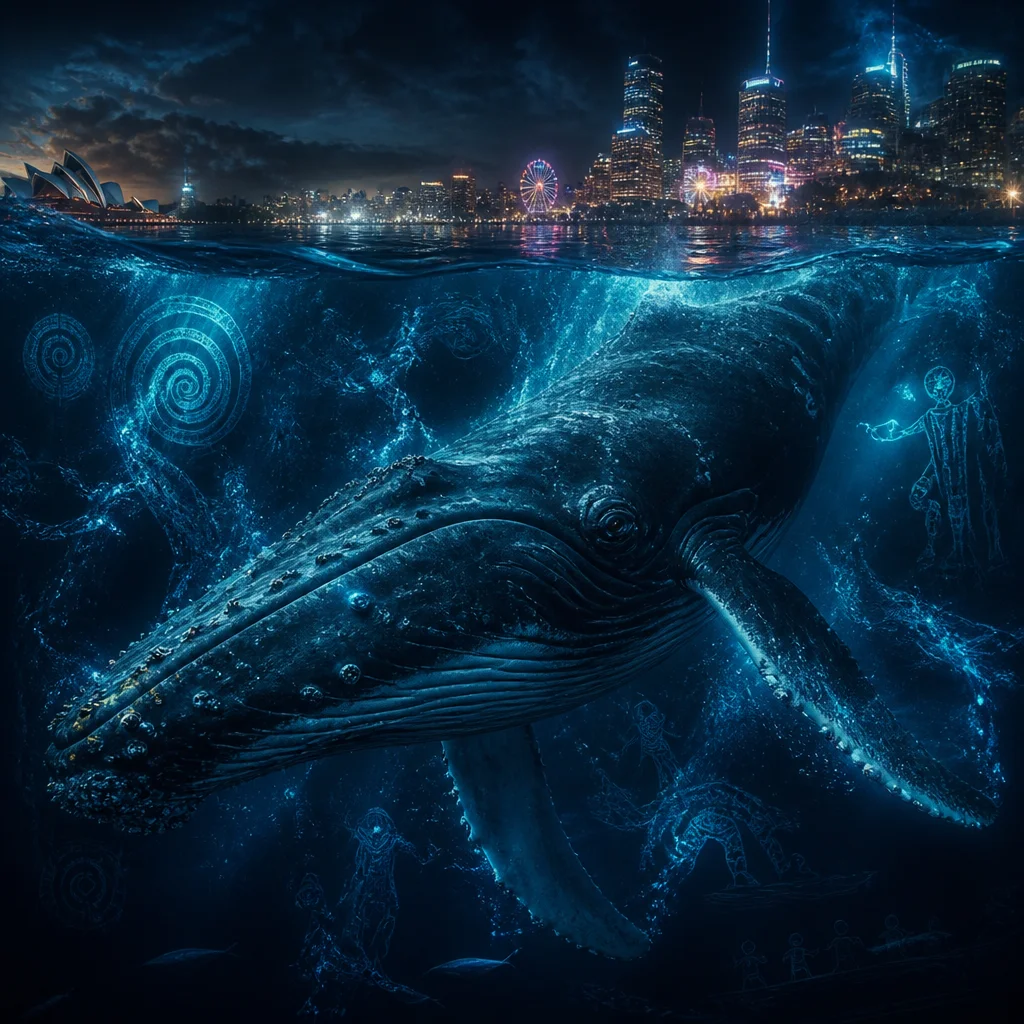
Why the Sea Still Speaks in Symbols Long before marine biology established taxonomies and deep-sea submersibles mapped the abyssal plains,…
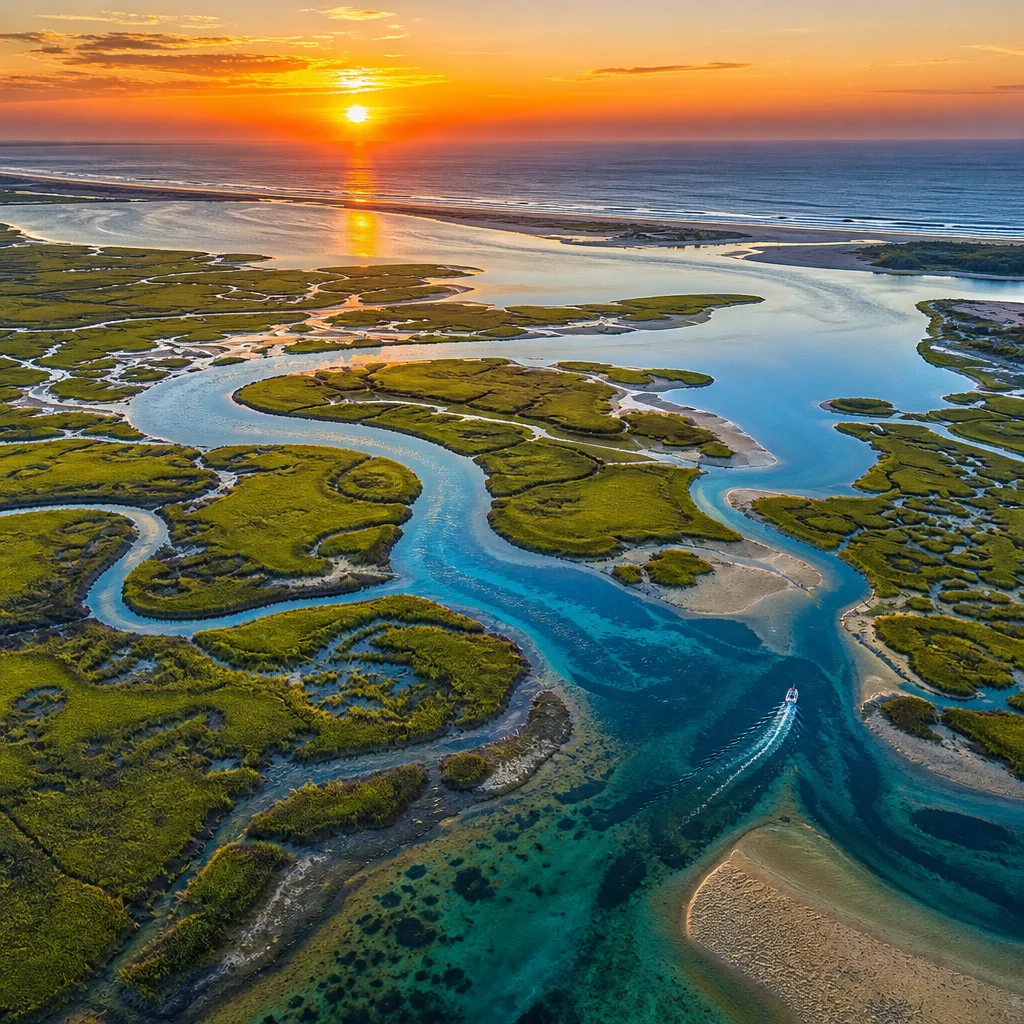
Estuaries occupy a dynamic and critical position in our global geography. They are neither fully freshwater rivers nor open marine…
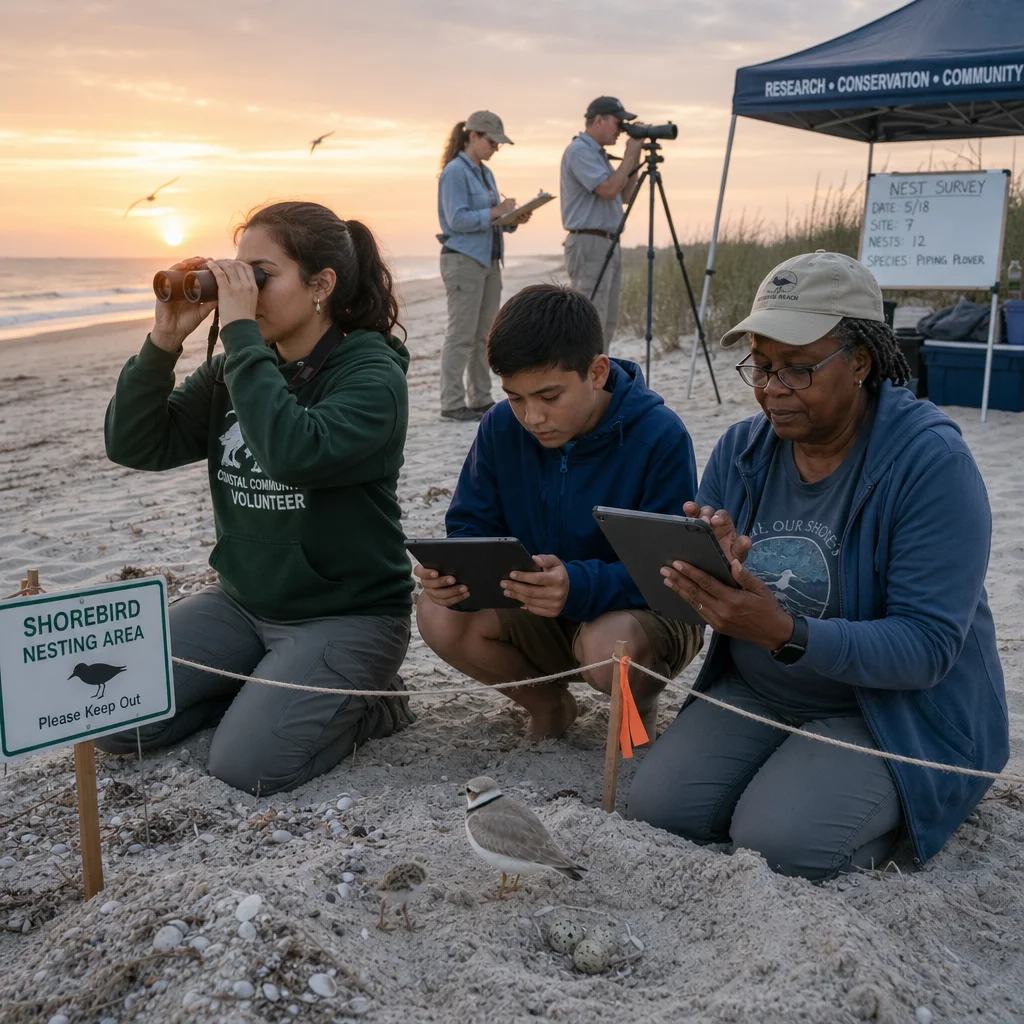
Why Coastal Wildlife Needs Local Eyes Coastlines rank among the most ecologically dynamic and heavily threatened habitats on Earth. Twice…
Stand on the deck of a ship in the open Pacific and the world appears to be a place of…
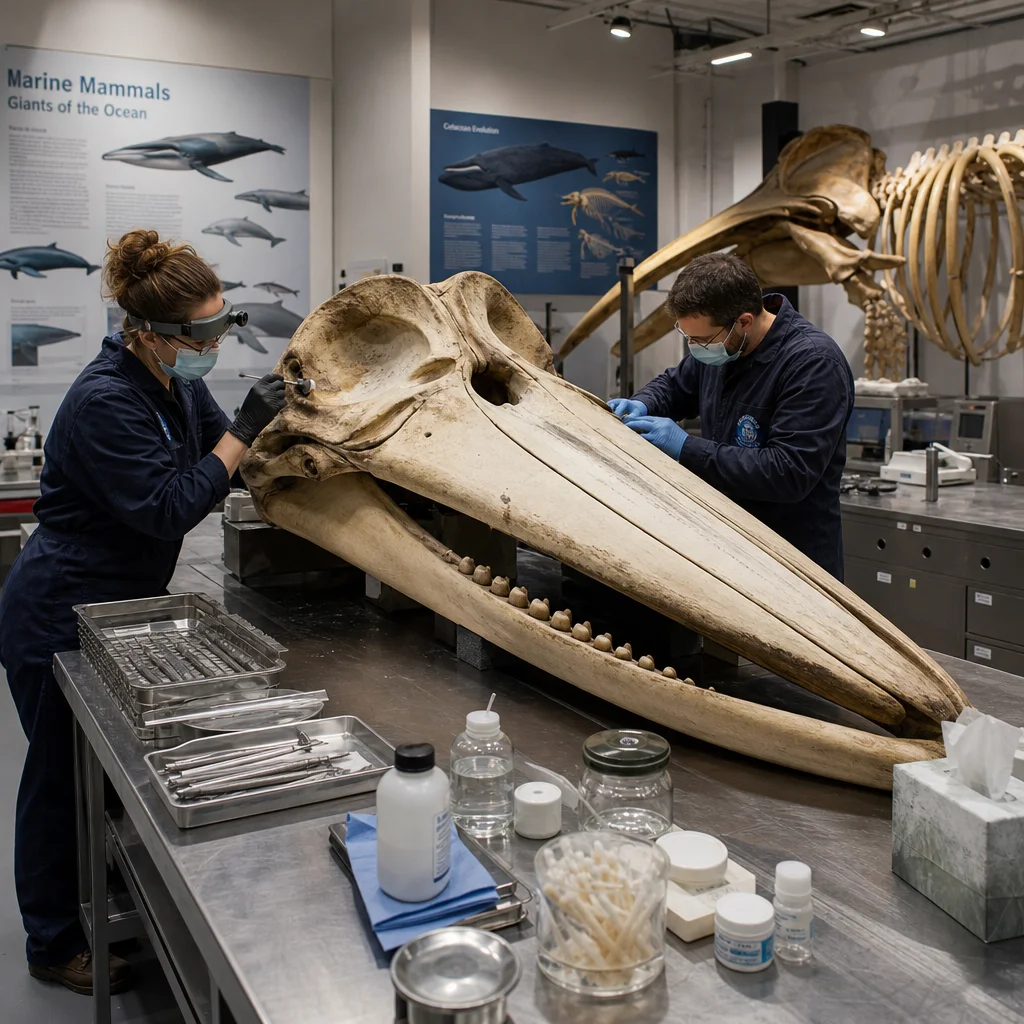
Cetacean skeletons are among the most striking assets a natural history institution can hold, yet they are notoriously demanding to…
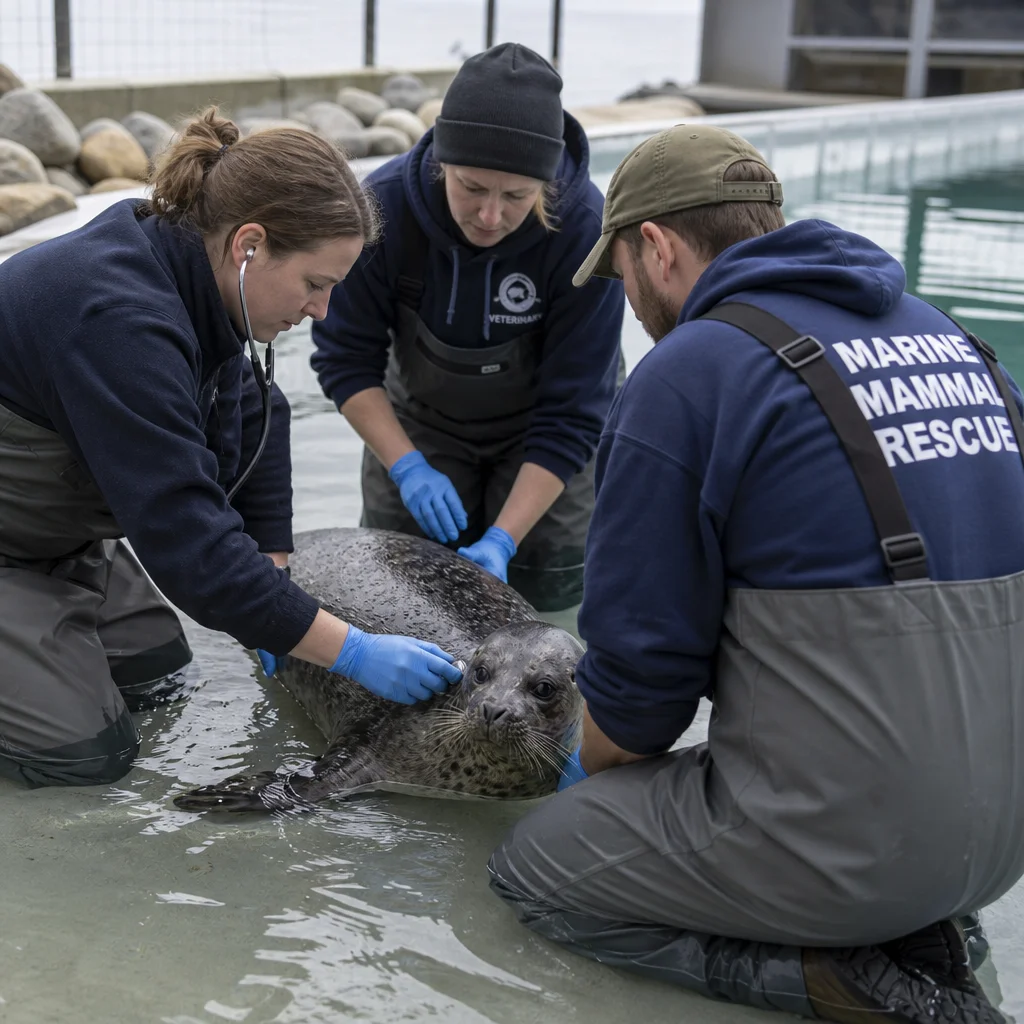
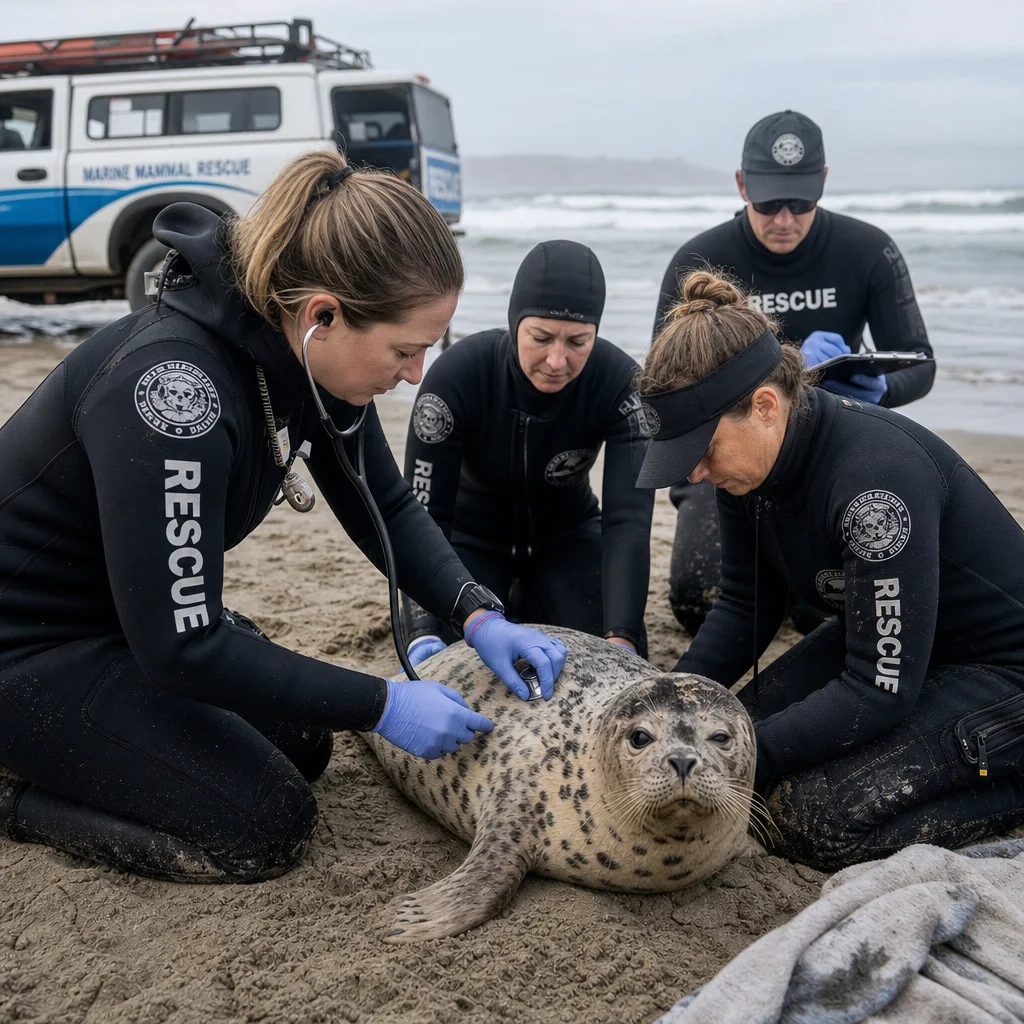
Every year, hundreds of pinnipeds, cetaceans, and sea otters wash ashore suffering from vessel strikes, entanglement in commercial fishing gear,…
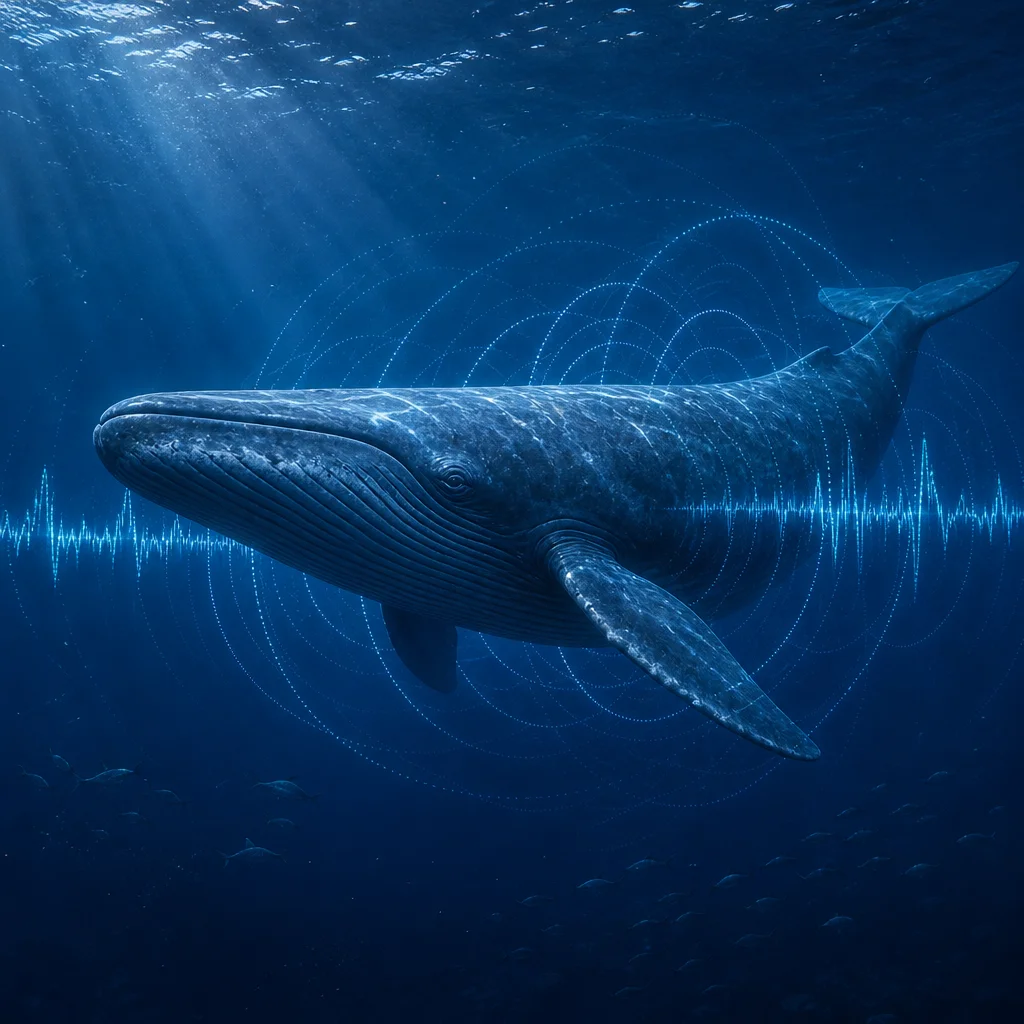
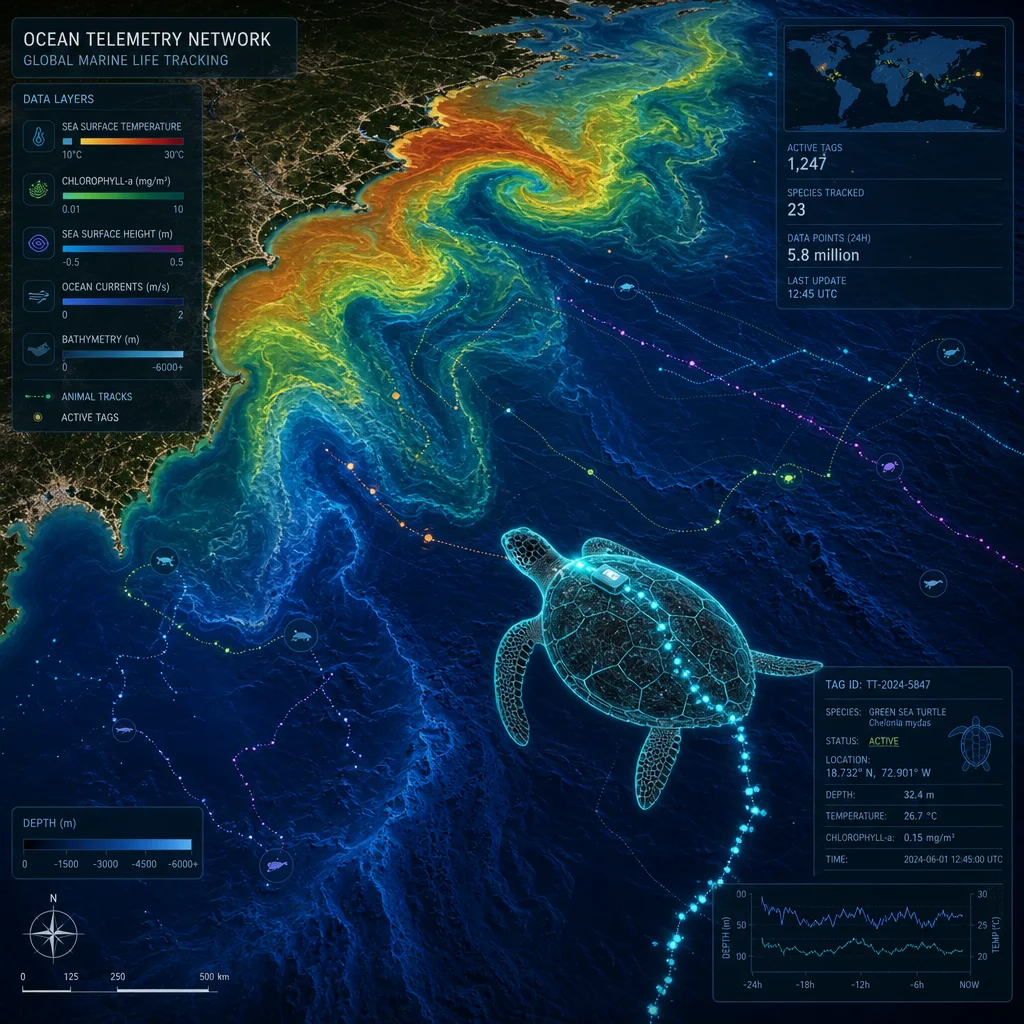
Marine conservation has long wrestled with a fundamental blind spot: finding where animals actually go in an environment that hides…
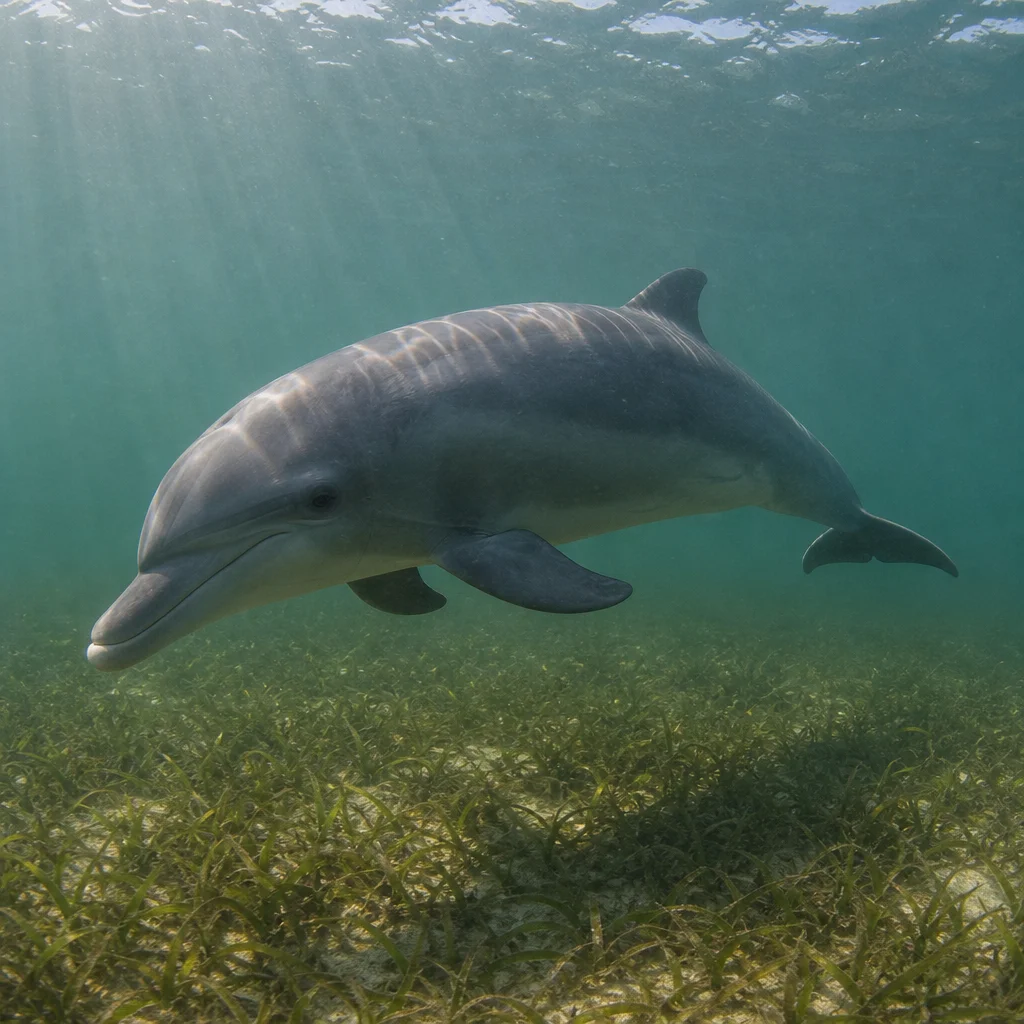
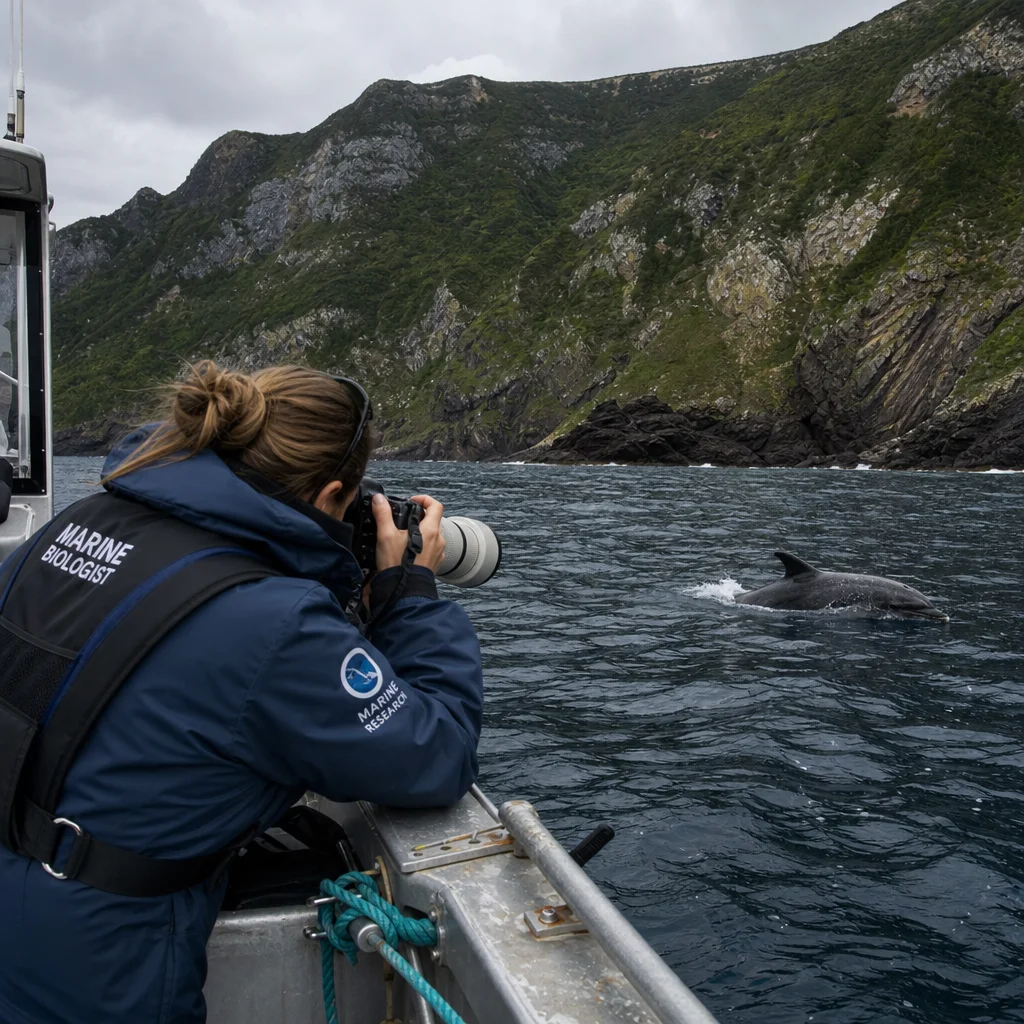
Coastal dolphins in the Atlantic live at the dynamic meeting point of land and open ocean—a narrow, shallow ribbon of…
The sight of a majestic whale, a playful dolphin, or a sleek seal stranded on a remote sandy shore is…